

What is a thermal management trade-off?
Thermal management trade-offs with EVs present themselves in many ways, such as performance versus noise, energy consumption, cost, and reliability. Within a cooling loop, speed, flow, weight, and size all have an impact on one another, creating multiple thermal management trade-offs. But in its simplest form, it is about resolving conflicts within a thermal management system to achieve the desired effect by balancing and selecting a component to compensate for the shortcomings of another component due to its size, shape, and functionality. These decisions are often referred to as ‘balance of plant.’
Technical Services, as thermal management experts, are constantly challenged with getting the correct fan diameter, fan speed, fan angle and fan pressure with the right heat exchanger, as well as tackling dimensional constraints and limited space within commercial EVs.
For instance, it might be that a pump cannot produce enough pressure for the heat exchanger to achieve the desired flow rate, but it is the only pump that fits and qualifies for the cooling fluid. As a trade-off, the heat exchanger needs to be larger to achieve a lower pressure drop, allowing the pump to meet the required flow rate. But then there might be a weight or cost penalty.
Looking at thermal management trade-offs at the component level.
Let us start with a fan. A fan is a physical item, but when it rotates, it generates pressure, which then drives airflow. The fan needs to develop enough pressure to move air through a heat exchanger; however, the heat exchanger then becomes an obstacle to that flow and pressure.
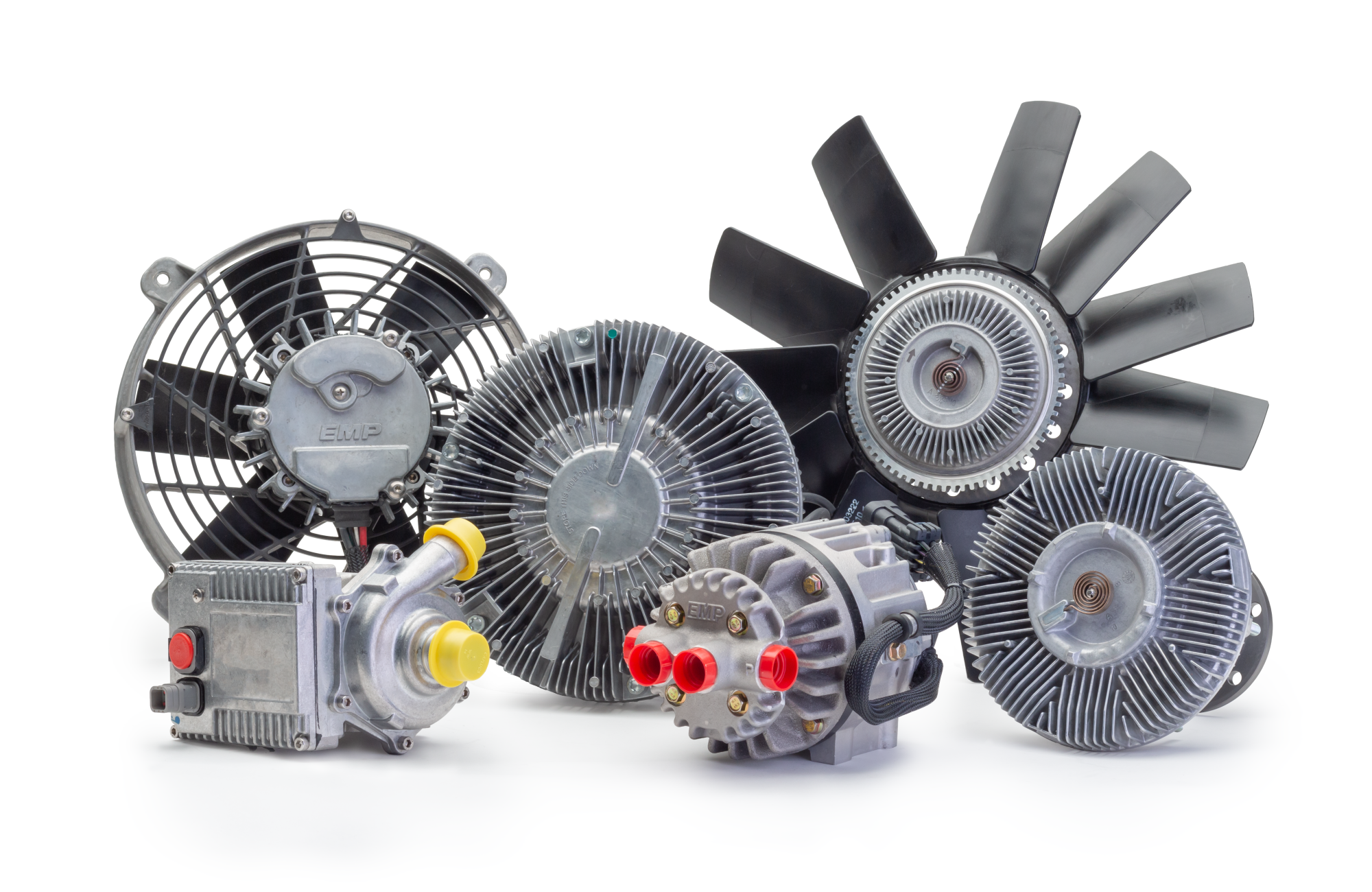
Scenario one: A large diameter fan that develops a great deal of airflow but does not develop much pressure because of its blade angle and rotational speed, paired with a thin heat exchanger. To achieve a high heat transfer rate, the heat exchanger would need to be large and wide to compensate for the low pressure drop.
Scenario two: A small fan running at high speed with a high blade angle, which develops a lot of pressure, paired with a heat exchanger that has a thick, deep core.
The trade-off arises from balancing the fan’s ability to develop pressure and the heat exchanger’s ability to transfer heat, depending on the mass flow rate of air it receives. So, when you look at packaging and how to integrate components into a vehicle, it then comes down to the available space. By installing a smaller but deeper heat exchanger, you are paying for it in terms of fan power, fan speed, noise and efficiency.
In summary
If you run a large fan at a low speed, you will develop vast amounts of flow very efficiently. Running a smaller diameter fan would require a much higher RPM to achieve the same amount of flow. However, when you increase the speed of a fan, the power consumption of the fan increases exponentially, and this is the trade-off.
The advantage of high-voltage fans and pumps within EV cooling.
Unlike diesel engine cooling, where almost unlimited power is available to drive the fan directly from the diesel engine itself, EV cooling uses a 12/24-volt or high-voltage DC motor. Power is limited; you cannot simply continually increase the power to your fan to develop more pressure and airflow.
High-voltage components play a significant role in mitigating trade-offs in EV cooling. They deliver more power more efficiently in a denser, smaller package, providing a solution that is closest to the limitless power available from diesel engines.
Why a system-level approach to thermal management is vital.
Adopting a system-level approach to thermal management is vital. Whether it is pumps, fans, heat exchangers, valves, or manifolds, every component within the cooling loop has a consequential knock-on effect on the next component and the subsequent components. By taking a system approach, engineers can achieve a balance, ensuring that one component is not overcompensating for another.
A system approach to thermal management also enables engineers to predict worst-case scenarios when stress testing. However, that does not mitigate ‘all the what ifs’, so then trade-offs can come in the form of which control strategy we can put in place.
Why thermal trade-offs increase in commercial vehicle applications.
Large volume OEM component manufacturers design and develop components specifically for use in a particular automotive application. There are fewer trade-offs for a global OEM producing 200,000 vehicles a year of the same model because of the balance of plant. When it comes to specialised fleets of EV commercial vehicles, the volume is low, and although there are component manufacturers that can produce bespoke products, it can become costly. Therefore, smaller OEMs must use the components available, and this is where trade-offs come into play.
Thermal management trade-offs can become even more significant in the retrofit market, as the bodywork, chassis, seat position, braking, and safety systems are already in place. Electrifying a bus could mean you are having to shoehorn a cooling system into the available space. It is therefore inevitable that the more niche product groups that are electrified and inherently have smaller volumes will be subject to more thermal management trade-offs.
How Technical Services is equipped to deal with thermal management trade-offs.
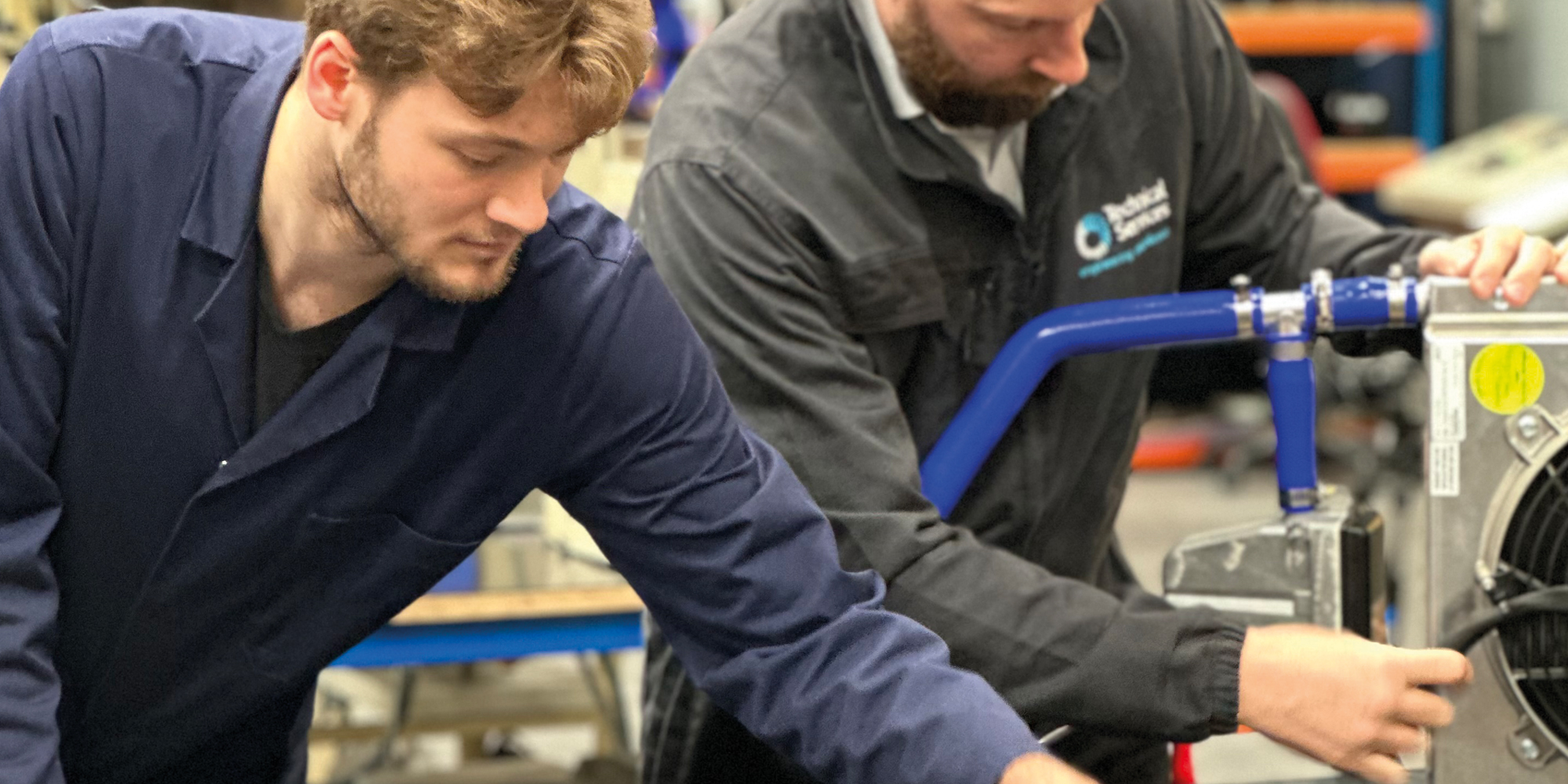
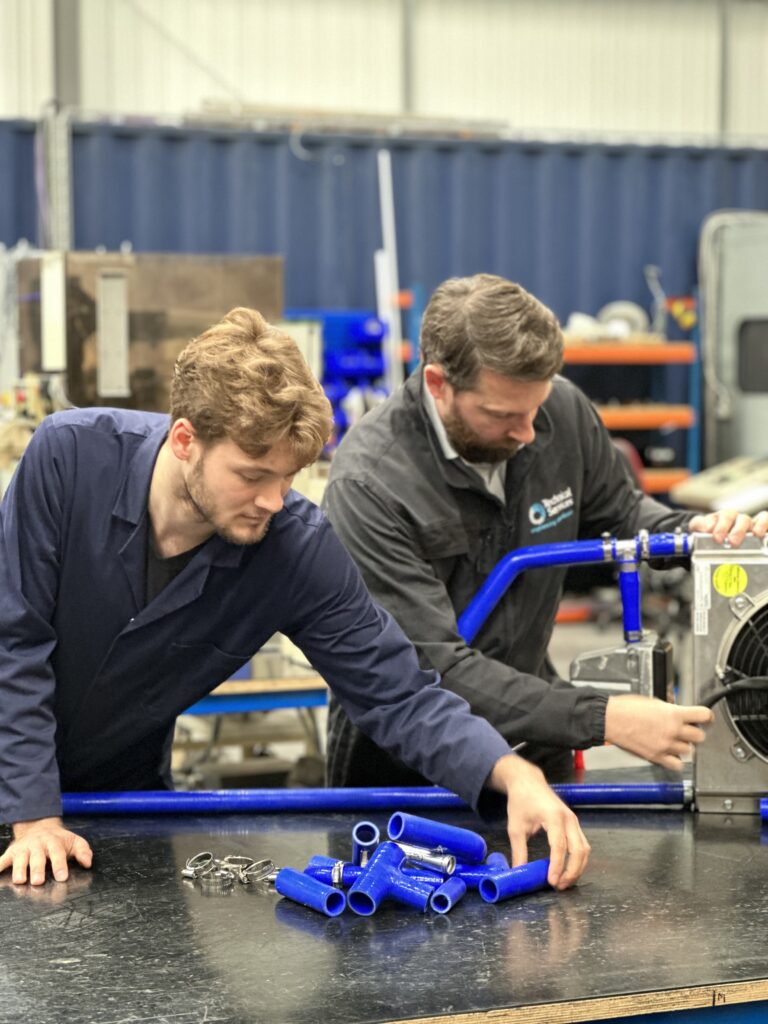
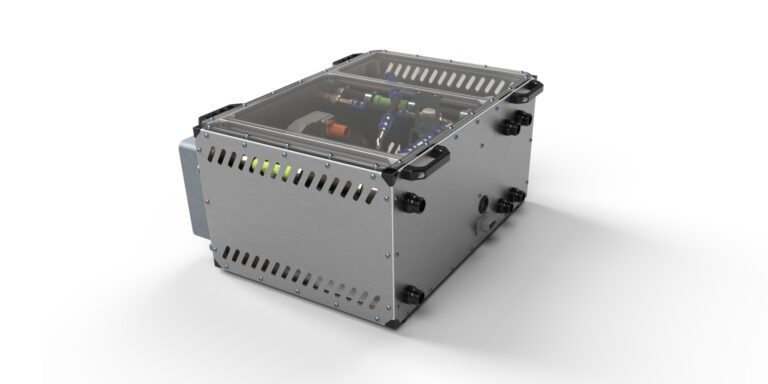
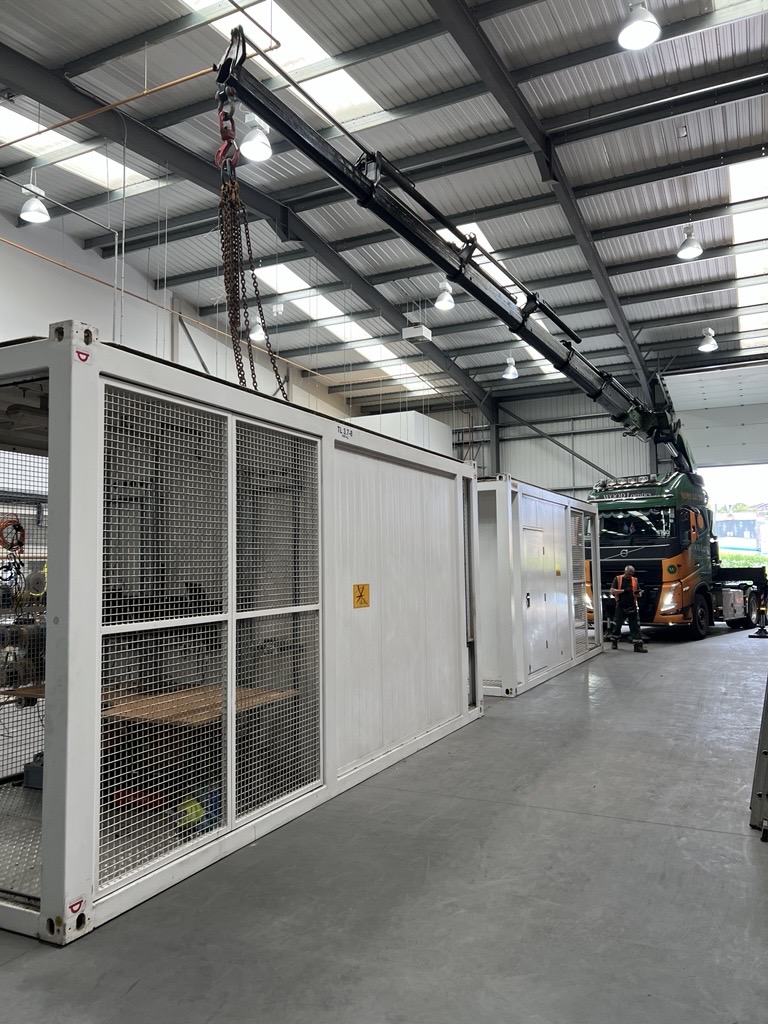
Technical Services has proactively developed strong partnerships with key technology providers who manufacture a range of components, including high-voltage compressors, pumps, fans, and valves. They then design, build, test and validate solutions that are specific to the OEMs platform requirements, providing a bespoke balance of plant that packages in the available envelope, with minimal trade-offs. This forward-thinking approach, coupled with an extensive in-house R&D facility, has enabled Technical Services to effectively tackle the complexities of thermal management trade-offs.
By using additional sensors and telemetry systems, Technical Services can obtain enhanced diagnostics with applications in the field, allowing for rich transient data in real time. Accurate data through long-term monitoring is key to optimising and refining system control strategy, to further mitigate trade-offs on an ongoing basis.